In Rancho Cucamonga, Excavations encompass the analysis, design, and construction of subterranean works through the region’s complex alluvial fans and variable groundwater conditions. Local projects must comply with Cal/OSHA trenching regulations and often reference FHWA geotechnical guidelines for soft ground. Our geotechnical analysis for soft soil tunnels addresses the stability challenges posed by interbedded sands and silts, while geotechnical design of deep excavations ensures shoring systems meet the lateral earth pressures typical of the Cucamonga basin.
These services are critical for infrastructure such as stormwater storage tunnels, utility corridors, and below-grade transit stations in the Inland Empire. Continuous validation through geotechnical excavation monitoring helps manage ground movements and protect adjacent structures during construction. By integrating site-specific stratigraphy with proven support methods, we deliver safe, compliant underground solutions.
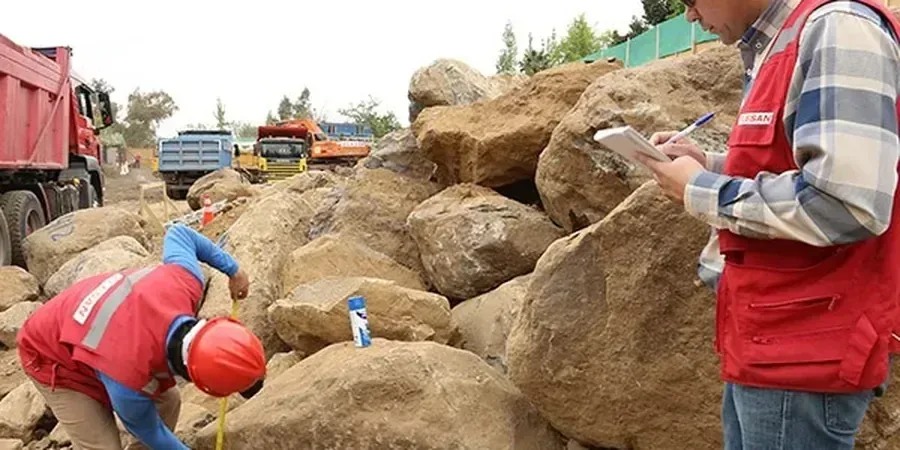
Excavations in Rancho Cucamonga encompass trenching, tunneling, and shaft construction for utilities, transportation, and subterranean structures within the complex alluvial fan and foothill geology of the Inland Empire. The subsurface profile typically transitions from coarse-grained Holocene alluvium and debris flow deposits near the San Gabriel Mountains to finer-grained Pleistocene sediments and occasional crystalline basement rock at depth. These conditions demand rigorous geotechnical characterization to address groundwater seepage, cobbly soils, and variable cementation. Our investigation services integrate borings, test pits, and CPT (Cone Penetration Test) soundings to map stratigraphy, identify perched water, and evaluate collapse potential in accordance with Caltrans and local agency requirements.
Execution of underground works follows established U.S. standards including OSHA Subpart P for trench safety, Cal/OSHA tunnel orders, and FHWA/AASHTO guidelines for temporary support systems. We employ In-Situ such as pressuremeter and dilatometer to derive soil modulus and in-situ stress, complemented by field density testing using the sand cone method to verify compaction of backfill and controlled low-strength materials around buried structures. Classification relies on grain size analysis combining sieve and hydrometer methods per ASTM D422/D6913 to quantify gravel, sand, and fines fractions critical for assessing stand-up time and filter compatibility. Cohesive soil behavior is further defined through Atterberg limits per ASTM D4318, which inform plasticity characteristics and swell potential in shales and clay seams encountered in deeper excavations.
Typical projects in Rancho Cucamonga include cut-and-cover storm drain installations along Foothill Boulevard, microtunneling for sewer interceptor rehabilitation beneath the I-15 corridor, and deep excavations for commercial basement construction near Victoria Gardens. These ventures frequently intersect bouldery channel deposits and seasonally elevated groundwater that necessitate dewatering and sequential excavation methods. Our laboratory testing program delivers shear strength parameters from triaxial and direct shear tests, consolidation properties, and permeability coefficients essential for designing shoring systems and predicting settlement. For shallow foundation support adjacent to excavations, we provide comprehensive foundations analyses that account for stress relief and lateral soil movement.
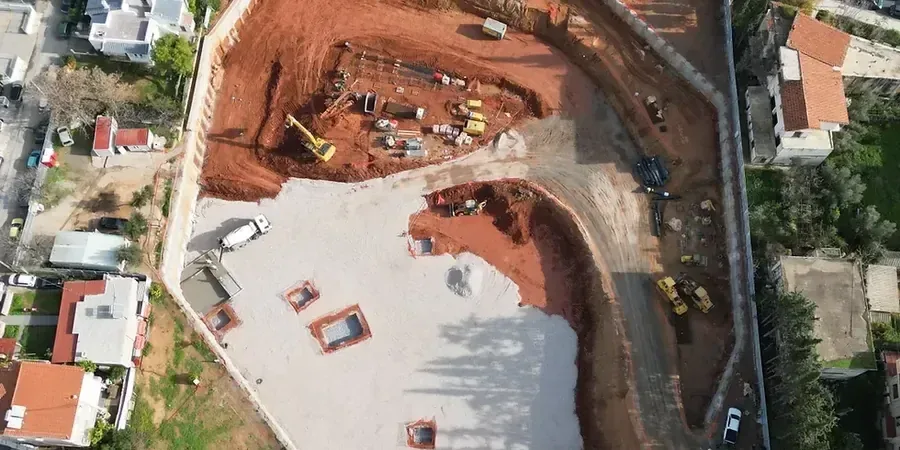
We guide projects from feasibility through construction by delivering geotechnical baseline reports, excavation and shoring plans, and instrumentation monitoring specifications that align with Rancho Cucamonga Public Works and South Coast Air Quality Management District standards. Deliverables include 3D subsurface models, groundwater control recommendations, and constructability assessments that mitigate risk of caving, heave, and vibration impacts to adjacent infrastructure. This integrated approach reduces change orders, ensures regulatory compliance, and provides contractors with the ground behavior predictions needed to execute safe, efficient underground works in the region's challenging alluvial environment.