In Rancho Cucamonga, In-Situ delivers direct subsurface data critical for navigating the alluvial fan deposits and granular soils of the Cucamonga Basin. Our approach aligns with ASTM D1556 for the field density test (sand cone method), verifying compaction in sandy and gravelly layers common beneath local foundations and pavements. These procedures also support compliance with Caltrans and CBC Chapter 18 requirements when assessing bearing capacity or fill placement.
Roadway expansions, commercial pads, and stormwater infiltration galleries routinely demand in-situ verification to confirm design assumptions. For earthwork QA, the sand cone density test pairs seamlessly with nuclear gauge correlations and DCP profiling, giving contractors rapid, defensible compaction data across the Rancho Cucamonga terrace deposits.
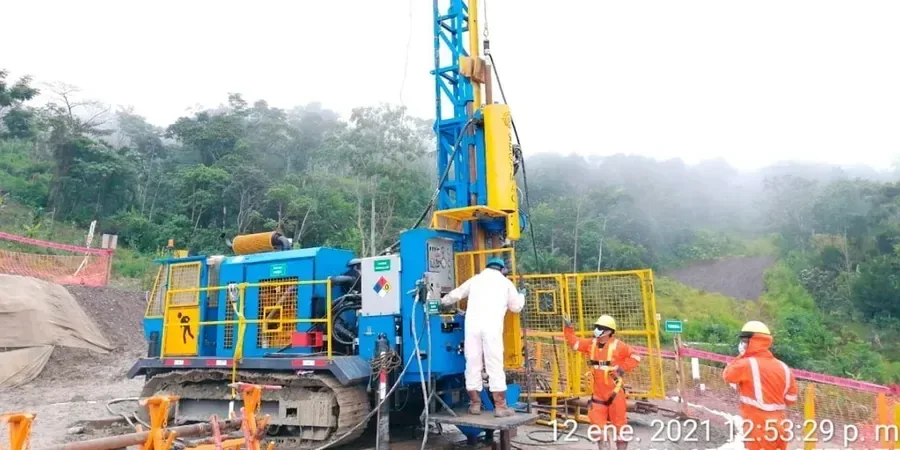
In-Situ in Rancho Cucamonga provides direct measurement of subsurface soil and rock properties without removing samples from their natural state, which is critical given the region's complex alluvial fan geology at the base of the San Gabriel Mountains. Our comprehensive field investigation services, including detailed geotechnical investigation programs, address the challenges posed by the highly variable deposits of the Cucamonga Fan, where coarse-grained channel deposits can abruptly transition into fine-grained overbank silts and clays. Local compliance with the City of Rancho Cucamonga Building Code, which adopts the California Building Code (CBC) by reference, mandates specific In-Situ protocols to evaluate seismic hazards, including liquefaction potential, soil bearing capacity, and settlement characteristics, making these methods essential for project approval.
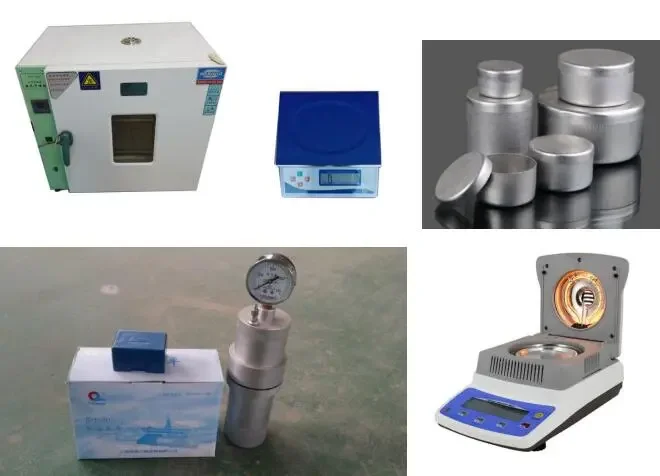
The cornerstone of our in-situ methodology is the Cone Penetration Test (CPT), an ASTM D5778-standardized procedure that provides continuous, high-resolution data on tip resistance, sleeve friction, and dynamic pore pressure. This test is unparalleled for delineating stratigraphy and identifying thin, potentially liquefiable layers within the deep alluvial deposits common to Rancho Cucamonga. For direct density and compaction control, we deploy the field density test using the sand cone method in strict accordance with ASTM D1556, ensuring that engineered fills for residential slabs and commercial pads meet the minimum 90% relative compaction typically specified by local geotechnical reports. These field tests are always paired with our laboratory testing suite to validate and calibrate in-situ measurements, creating a complete geotechnical model.
Typical projects in Rancho Cucamonga demand a targeted combination of in-situ techniques. For the expansive distribution centers and logistics hubs in the industrial zones near Ontario International Airport, CPT soundings are critical for designing deep foundations and mitigating total and differential settlement under heavy floor loads. Conversely, for hillside residential developments in the northern reaches of the city, the focus shifts to testing compacted fill lifts with the sand cone method and evaluating bedrock rippability. A standard investigation for a commercial development on Foothill Boulevard will integrate CPT data with results from grain size analysis, combining both sieve and hydrometer methods, and Atterberg limits testing to accurately classify the expansive, fine-grained soils that are prone to shrink-swell behavior in this semi-arid climate.
Our streamlined process begins with a site-specific testing plan designed to satisfy the requirements of the governing jurisdiction, typically the City of Rancho Cucamonga Building & Safety Division. Following field execution, we synthesize data from all in-situ and laboratory sources into a single, actionable geotechnical report. The key deliverables include bearing capacity recommendations, seismic site classification per CBC Chapter 16, and explicit compaction specifications, providing your structural engineer with the certified parameters needed for foundation design. By combining advanced penetration testing with rigorous physical sampling, we deliver a definitive characterization of your site's subsurface conditions, de-risking your project from conception through construction.